European and UK glass industries advancing together towards net zero
The European and UK glass industries are making strong, coordinated progress towards climate-neutral production, with new evidence showing the sector is already delivering real results.
The newly published Decarbonisation Report 2025 from the European Container Glass Federation (FEVE) confirms the transition to low-carbon glass manufacturing is now firmly underway across Europe. Its findings align closely with the Glass Sector Net Zero Strategy 2050 developed by British Glass, demonstrating that the UK and European industries are moving forward together by investing, innovating and deploying solutions that reduce emissions today.
The glass sector is not waiting for change
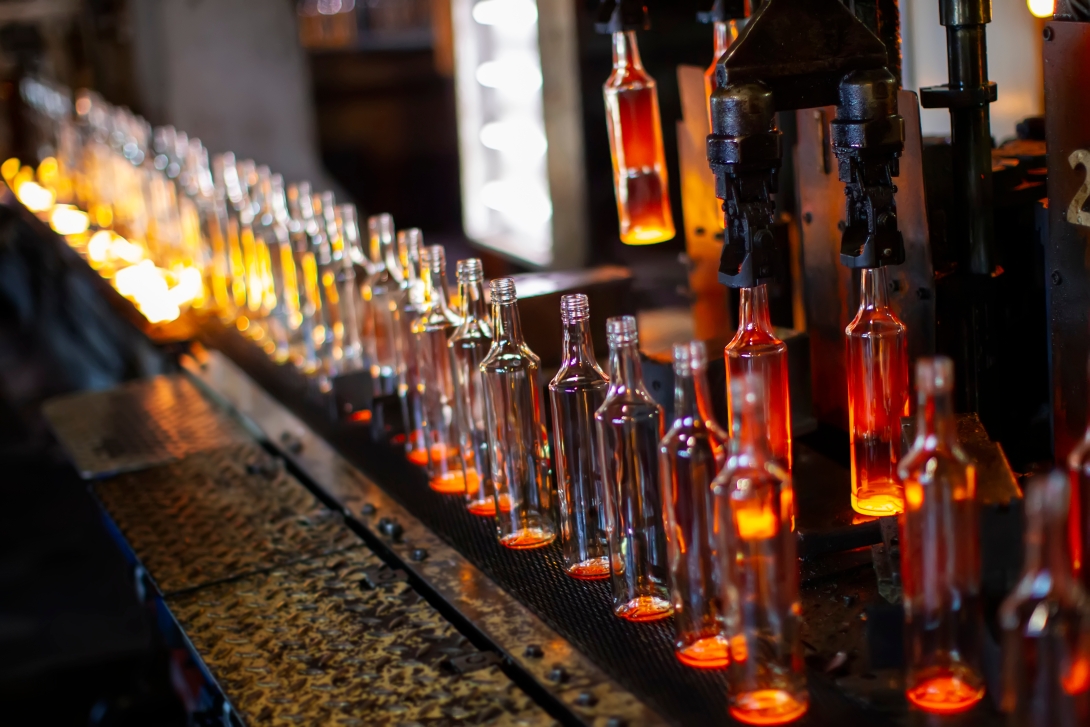
Together, the reports show a sector moving rapidly from ambition to action. Across the UK and Europe, glass manufacturers are deploying new technologies, improving energy efficiency and transforming how glass is produced.
Electrification is emerging as the most efficient route to decarbonising combustion emissions, and manufacturers are working to maximise the proportion of furnace energy that can be switched from fossil fuels to electricity. Across Europe, companies are already making significant progress, with all-electric and hybrid furnaces coming online that use a high proportion of electricity and can reduce emissions by up to 60% in some applications.
Where electrification cannot fully replace fuel use, manufacturers are exploring alternatives such as hydrogen and biogas to further cut emissions.
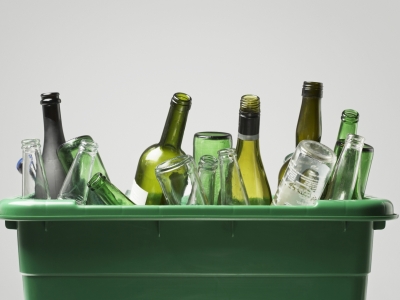
At the same time, glass continues to lead on circularity. More than 80% of glass packaging in Europe is collected for recycling, helping to lower energy demand and reduce emissions in the manufacturing process. These advances mirror the pathway set out in the British Glass Net Zero Strategy, underlining a shared commitment across Europe’s glass sector to accelerate innovation and deliver climate-neutral production.
Glass is a permanent, endlessly recyclable material
The sector’s coordinated approach also demonstrates resilience at a critical time for European industry. Glass is a permanent, endlessly recyclable material and a key component in supply chains across food, beverage, pharmaceutical and cosmetics industries. Achieving climate neutrality in production will ensure the industry can continue to supply these sectors sustainably, protect skilled manufacturing jobs and remain competitive in global markets.
Dr Nick Kirk, Federation Director at British Glass said: "The FEVE Decarbonisation Report shows that our industry is making tangible progress. The UK and European glass sectors are aligned, innovating and investing to deliver real emissions reductions proving that climate-neutral production is already achievable."
Policy and infrastructure support is essential
Both reports underline that while the technology pathways are now proven, scaling them across the sector will require the right policy and infrastructure framework.
Key barriers to electrification include grid connection costs and lead times, as well as the need for investment support to manage the capital costs of new furnaces and the higher operational cost of electricity. Prioritising grid capacity and connections for energy-intensive industries will be essential to enable companies to decarbonise when furnaces reach their natural replacement cycle.
Alternative fuels will also play an important role. The UK already supports hydrogen production through business models designed to make hydrogen available to industrial users at a cost comparable to natural gas. Similar mechanisms for biomethane, alongside zero-rating grid biomethane in the UK ETS, would help unlock further emissions reductions.
The FEVE report describes 2025 as a transition phase, where the technical feasibility of decarbonisation pathways has been demonstrated and multiple solutions are emerging. The next step is full-scale deployment, which will depend on energy infrastructure, forward-looking regulation and strategic investment.
The reports send a clear message: the glass industry is ahead of the curve, already installing the technologies needed for net zero, and ready to accelerate further with the right policy support.